16 Sep 2026
Behind the Numbers: Stakeholder Dynamics Reshaping Casino Wager Regulations
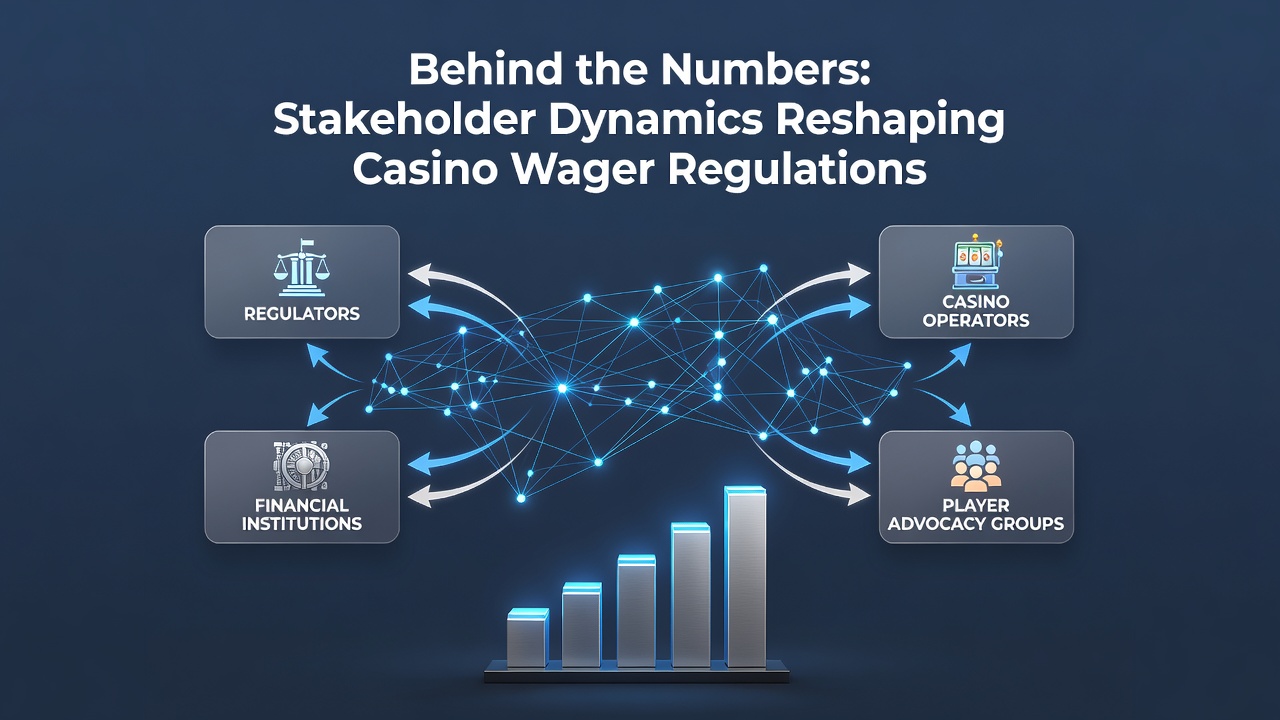
Regulatory frameworks for casino wagers continue to evolve through interactions among multiple groups that include government agencies, operators, and advocacy organizations, and data from recent years shows these dynamics produce measurable shifts in rules across jurisdictions. Research indicates that changes often stem from coordinated input rather than isolated decisions, while figures from industry reports reveal how economic pressures and compliance requirements intersect in policy updates.
Government Agencies Drive Core Framework Adjustments
State and provincial regulators maintain primary authority over wager limits, licensing standards, and tax structures, and they incorporate data from operators and independent audits when revising guidelines. The Nevada Gaming Control Board has issued periodic updates on reporting requirements that reflect input from both large casino groups and smaller venues, whereas Canadian provincial bodies have adjusted minimum internal control standards based on operational performance metrics collected through 2025. These agencies track revenue figures, player volume, and compliance incidents to determine whether existing wager rules need modification, and they publish summaries that stakeholders reference during comment periods.
As preparations advance for September 2026, several North American regulators have scheduled joint reviews of cross-border wager protocols, and preliminary documents indicate that alignment on data-sharing practices forms a central focus. Observers note that such reviews draw on statistical models provided by academic research centers, which analyze patterns in wager frequency and payout distributions to inform proposed adjustments.
Operator Networks Shape Implementation Details
Casino companies participate through trade associations that compile operational data and submit position papers on proposed rule changes, and these submissions frequently highlight cost implications tied to new verification systems or reporting software. Industry groups in the United States and Australia have documented how staggered implementation timelines affect smaller properties differently from large integrated resorts, and they present case examples drawn from multi-state operations to illustrate these variances. Regulatory filings show that operators often advocate for performance-based thresholds rather than fixed numerical caps on certain wager types, citing internal analytics that track player behavior across market segments.
Player Advocacy and Research Institutions Add Quantitative Layers
Consumer protection organizations and university research teams contribute datasets on responsible gambling indicators, and these inputs influence how regulators define thresholds for wager tracking and self-exclusion programs. Studies from institutions such as the National Center for Responsible Gaming have supplied longitudinal data on player spending patterns, which agencies then cross-reference with operator-submitted reports before finalizing rule language. In regions where public comment periods occur, advocacy submissions typically include aggregated survey responses that quantify concerns over accessibility features and payout transparency, and these documents become part of the official record regulators review.

What's interesting is how these varied data sources converge during drafting stages, and regulators often create working groups that include representatives from each category to reconcile differences in proposed metrics. Evidence from past cycles shows that final regulations frequently blend elements from all submissions rather than adopting any single perspective wholesale.
International Coordination Influences Domestic Standards
Cross-jurisdictional bodies facilitate information exchange on wager regulation trends, and reports from organizations such as the International Association of Gaming Regulators document how European and Asian frameworks affect North American policy discussions. Data exchanges reveal common challenges around online-offline integration and currency conversion rules for international players, and these shared findings prompt parallel updates in multiple markets. As September 2026 approaches, scheduled forums aim to address emerging technologies that alter wager placement methods, and participating agencies plan to release harmonized guidance documents based on collective input.
Those who've examined filing histories observe that the volume of stakeholder comments has risen steadily, and quantitative analysis of these submissions indicates growing emphasis on technological compliance tools. Regulators respond by incorporating pilot program results into broader rule revisions, which allows measured testing before permanent adoption.
Conclusion
Stakeholder dynamics continue to determine the pace and direction of casino wager regulation changes, and the interplay among government data, operator metrics, and research findings produces layered policy outcomes. Ongoing preparations for September 2026 underscore how sustained collaboration across groups shapes the numerical parameters that govern daily operations and player experiences in regulated markets.