14 Oct 2026
Stakeholder Alliances Reshape Digital Gambling Rules Across Europe
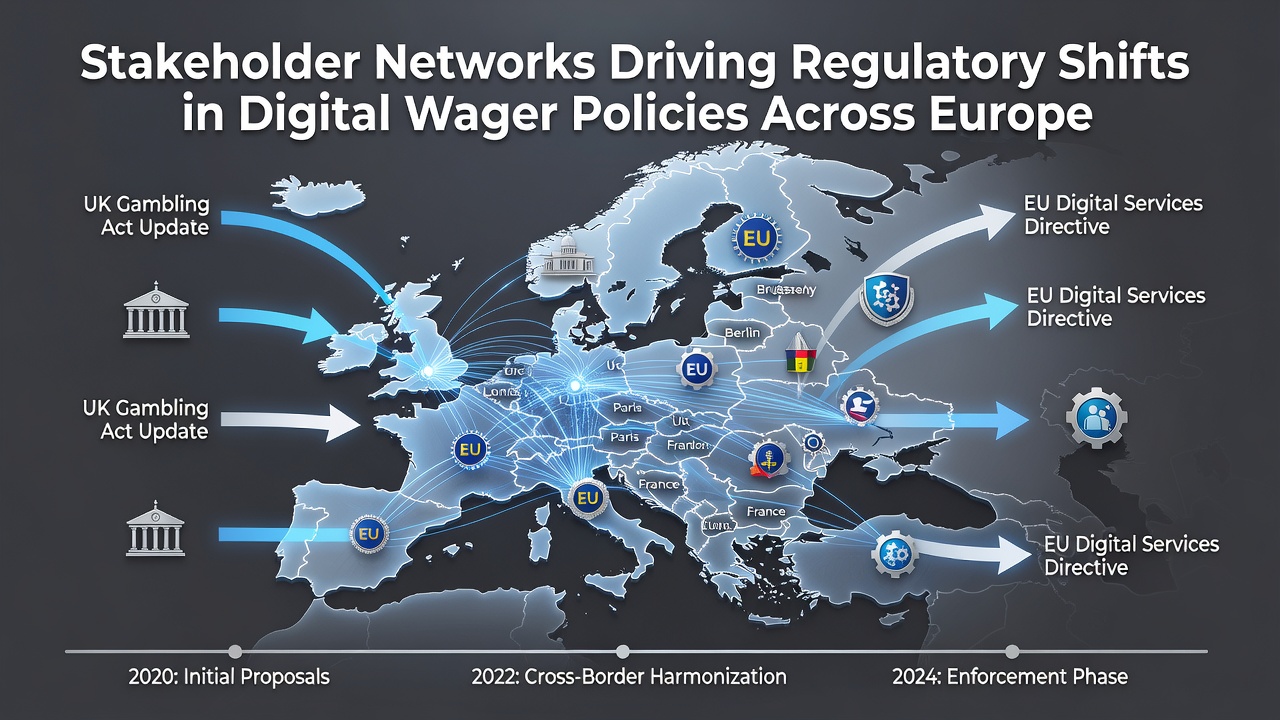
European regulatory frameworks for digital wagers have evolved through coordinated efforts among operators, consumer advocates, technology firms, and government agencies, with recent developments accelerating in October 2026 as multiple jurisdictions align on cross-border standards. Data from industry reports show that these networks operate through formal coalitions and informal partnerships that influence legislation on licensing, taxation, and consumer protections.
Researchers at several European universities have documented how operator associations collaborate with national regulators to draft guidelines that address both market growth and risk mitigation, and figures from the European Commission indicate that such collaborations contributed to harmonized directives on online gambling by mid-2026.
Key Players in Policy Networks
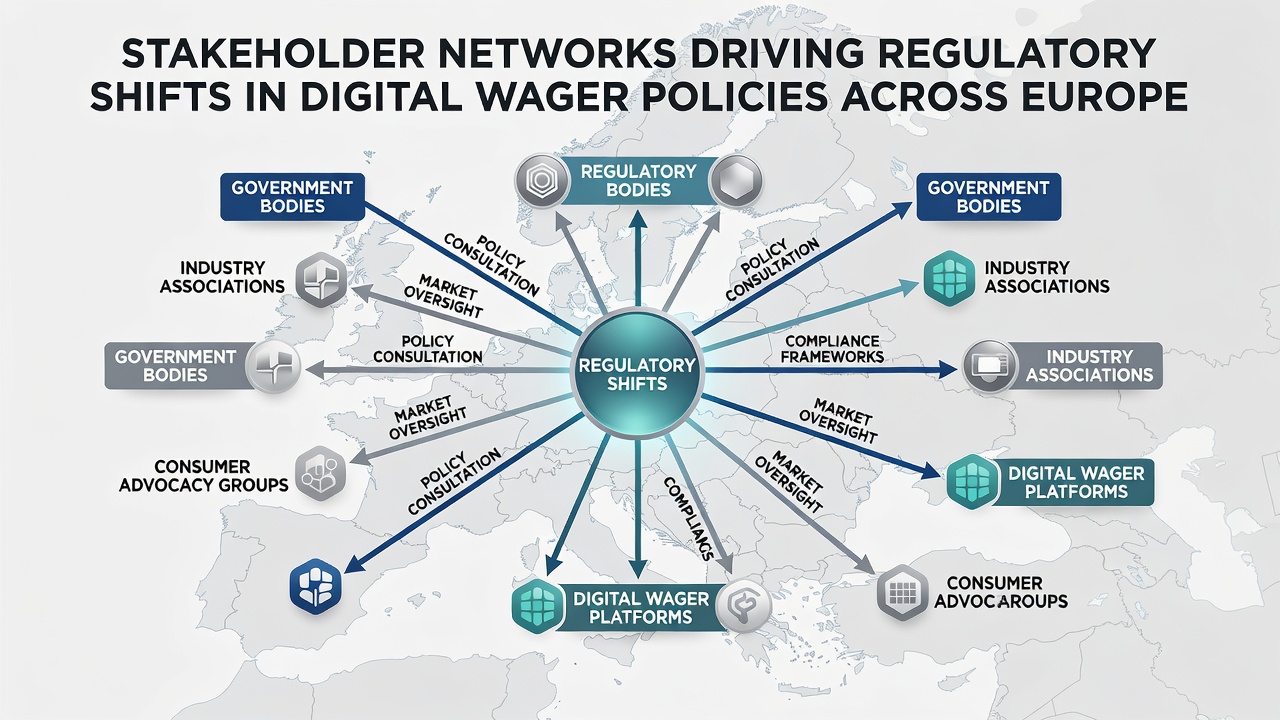
Trade groups representing gambling operators maintain regular contact with consumer protection organizations, creating channels for input on age verification systems and responsible gaming tools, while technology providers supply data analytics that inform enforcement strategies in countries like Germany and the Netherlands. Observers note that academic institutions often serve as neutral conveners for these discussions, hosting workshops that examine enforcement outcomes from previous regulatory cycles.
Government agencies from France and Spain participate in joint working groups that evaluate the impact of advertising restrictions, and evidence from policy papers reveals that these exchanges have led to updated compliance requirements implemented across multiple member states during 2026. Industry organizations track legislative proposals through shared databases that allow stakeholders to anticipate changes in licensing fees and reporting obligations.
Recent Developments Through October 2026
By October 2026, several stakeholder forums had convened to address emerging issues around cryptocurrency integration in digital wager platforms, with participants including payment processors and financial regulators from across the continent. Reports compiled by research institutions show that these meetings produced recommendations on transaction monitoring that some national authorities began incorporating into draft rules.
One study revealed that networks connecting smaller operators with larger technology vendors helped smaller entities meet new technical standards for game fairness testing, and data indicates that this support reduced compliance costs for independent platforms operating in Eastern European markets. Experts have observed that consumer groups also gained seats at these tables, ensuring that policy language includes provisions for self-exclusion databases shared across borders.
Cross-Border Coordination Mechanisms
Joint initiatives between Scandinavian regulators and their counterparts in the Baltic states have focused on standardizing tax reporting for operators serving multiple jurisdictions, and statistics released by regional economic bodies demonstrate that such alignment reduced administrative duplication by measurable margins in 2025 and 2026. These efforts rely on working groups that include legal experts and data privacy specialists who review how user information flows between platforms and oversight bodies.
Policy analysts have tracked how input from academic researchers on behavioral economics shapes the design of mandatory deposit limits, and findings from collaborative projects show correlations between these tools and reduced incidence of excessive play patterns in monitored markets. Networks also facilitate knowledge transfer on enforcement techniques, allowing agencies to share case studies on unlicensed platform operations without revealing sensitive operational details.
Challenges and Adjustments in Stakeholder Engagement
Balancing competing interests among operators seeking market expansion and advocates prioritizing harm reduction remains an ongoing process, with meetings in October 2026 highlighting tensions over proposed caps on bonus offers. Documentation from these sessions indicates that participants used structured consultation periods to refine language in upcoming legislation, resulting in phased implementation timelines that account for technical readiness across different company sizes.
International bodies such as the European Commission continue to publish updates on stakeholder consultations, while reports from organizations like the OECD provide comparative analyses of regulatory approaches in Europe versus other regions. These resources help networks identify best practices that have succeeded in reducing unlicensed activity while supporting legitimate market participants.
Conclusion
Stakeholder networks have established durable mechanisms for influencing digital wager policies throughout Europe, with activity levels remaining high through October 2026 as new frameworks take shape. Continued participation from diverse groups ensures that regulatory shifts reflect input from operators, regulators, researchers, and consumer representatives, producing rules that address both commercial realities and public policy goals across the continent.